Diet
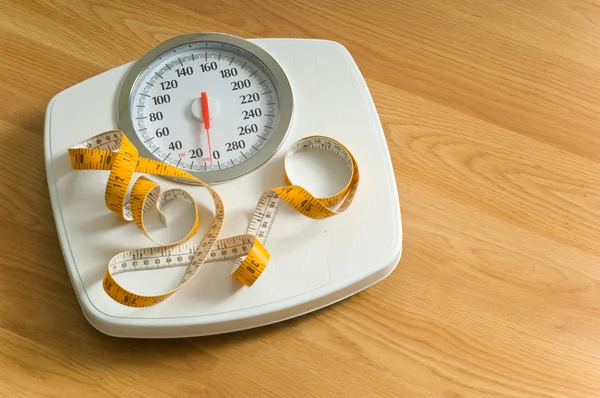
When thinking of the word "diet", we often associate this word to a special fixated set of restrictions, whether that be what type of food to eat, how much to eat, and others. Although these may be true, a diet doesn't need to be a taboo restriction of food that makes you miserable.
If your goal is to lose weight, there will be certain restrictions you will have to maintain, but making these restrictions too rigid or unrealistic can cause you to relapse on your weight loss goals in a phenomenon that is known as "yo-yo dieting".
"Yo-yo dieting" is an occurance where someone can possibly lose a certain amount of weight, but end up regaining all of the weight they have lost, similar to the motion of how a yo-yo can go up and down on a string. When you approach your diet
from a perspective of making long term lifestyle changes, it can be easier to set your restrictions to something you can realistically maintain..
Food is not only a means for nutrition and survival for humans in our times. Unlike the cavemen of the past, we eat food for social reasons, emotional reasons, and even for no reason at all.
Making simple cutbacks on unnessecary eating can help us to lose and maintain lost weight.
Some of the food-related habits that can lead to weight gain include:
Social eating : eating with family or friends.
Night eating : snacking throughout the evening and night.
Emotional eating : eating in response to a variety of emotions
Distracted eating : eating when doing something else (working, watching television, doing household chores).
Making substitutions in actions or changing the way you eat during these times can help to alleviate the overconsumption of food. Maybe instead of snacking when youre bored or feeling down, you can talk to a friend or go for a walk outside.
When you eat a main meal such as breakfast, lunch, or dinner, try eating without watching the TV. If you eat at a table and focus on the meal you eat, you can be mindful of what you eat and find it easier to know when you are full.
Exercise

There are countless exercises and variations of exercises that you can attempt, but having a set schedule that you follow most of the time will help you in your weight loss journey.
Depending on your daily routine, you may have more or less time to dedicate to exercising within your life, and that is completely okay! Exercising can range from simple movements all the way up to the most complex movements performed by professional athletes.
Working out 3-5 times a week can help you ensure that you can maintain a steady decline in your weight, and can even help you maintain the lost weight after you've already reached your weight goal.
When selecting exercises, you want to make sure you try your best to focus on exercising your entire body atleast twice a week. If that isn't possible for you due to health reasons, that is fine, we all have our own paces.
Being able to target each muscle group of your body atleast twice a week can help you to build muscle and maintain a proportionate look and provide proper resting time between workout sessions.
For example, if you workout your back and biceps on one day, you can workout your chest and triceps the next day, while allowing your muscle groups from the previous days of the week to heal. Everyone has their own schedules and pace, so it is important to figure out what works for you.
Talking with your doctor may help give you a better understanding as to how you want to maintain a workout schedule that best suits you.
Sleep

Although you may not associate sleep with losing weight, it is in fact a huge factor in helping you lose weight. Sleep allows our bodies to repair cells, help digest food, and even aid in burning fat by regulating our hormones that affect hunger and apetite.
Sleeping a proper amount of hours everyday can help you in building and maintaining a healthy lifestyle, so don't ignore it.
In order to sleep properly, you must prepare for sleep beforehand. Avoid eating food too close to bed, preferably having your last meal a couple hours before you go to sleep, allowing your body enough time to break down foods just enough so it doesn't disturb you while you try to sleep.
Make sure you are hydrated and avoid taking caffiene atleast 6 hours before bedtime. Try your best to avoid electronics close to bedtime and keep your bedroom dark and relaxing. And above all, be consistent with the time you go to bed and wake up, even on the weekends.
Having set times can allow your body to build a habit to fall asleep and wake up easier at those times.
Contact
If you have any questions, comments, or concerns, reach out to me through the form below!